Is Manual Therapy the Same as Chiropractic?
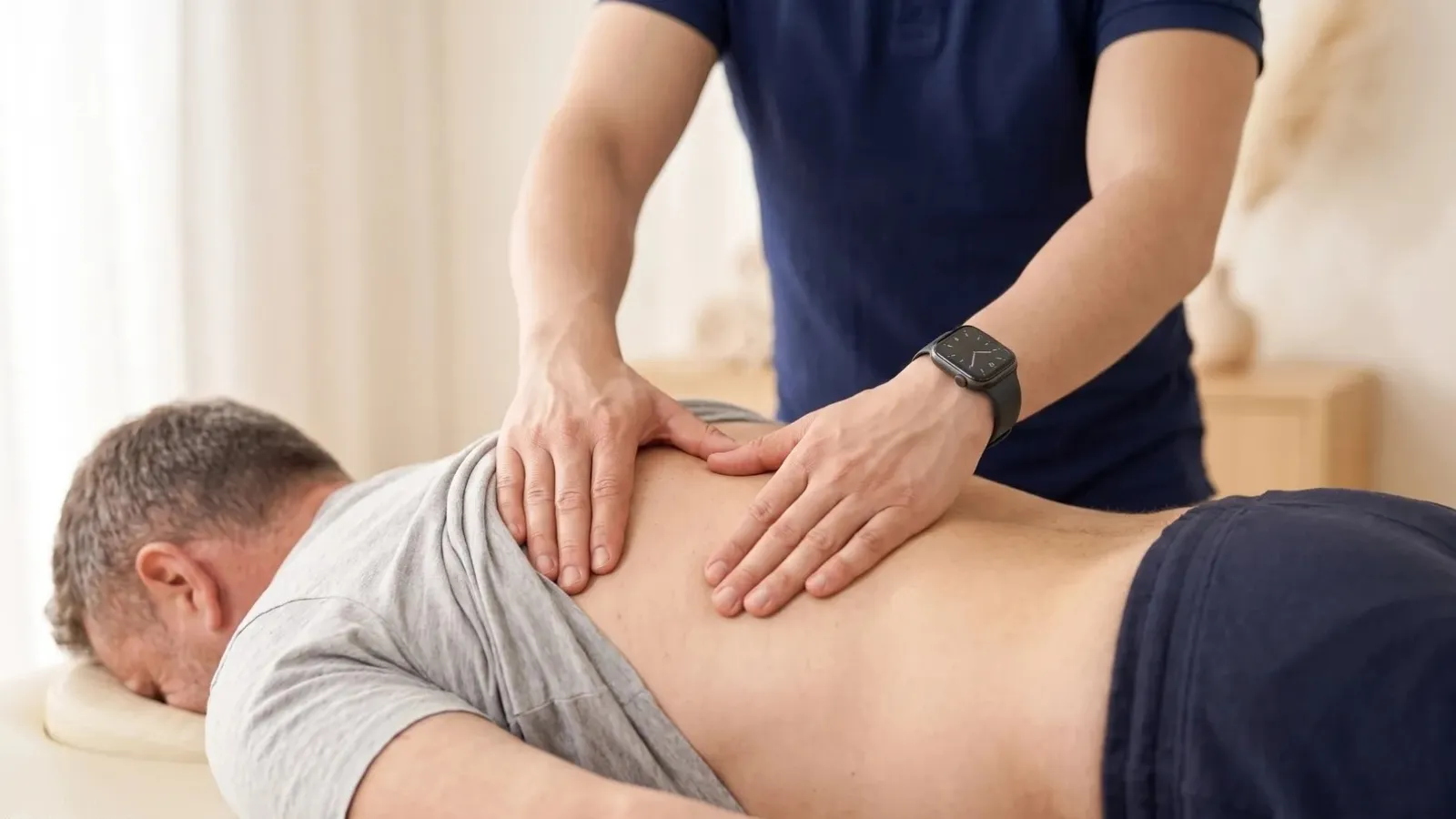
“Do you also do chiropractic — do you crack joints?” It is a common question, and an understandable one, because both appear to work with the hands and the joints. The short answer: no, they are not the same — and the difference is not a small detail but a difference of scope. This article sets out that difference as clearly as possible, without confusing the two.
What Is Chiropractic?
Chiropractic is a practice built largely around the manipulation of the spine and joints. Its main tool is high-velocity, low-amplitude manipulation applied to the joints — the movement most people know as “cracking”. Internationally it is a field with its own training and professional structure; in Turkey, it is not defined as a separate, recognised profession.
What Is Manual Therapy?
Manual therapy is an assessment-based treatment approach a physiotherapist applies with the hands. It covers a range of techniques directed at the joints and soft tissues (mobilisation, manipulation, soft tissue work) — but it is not a stand-alone “technique”; it is part of a treatment process.
So why does this hands-on work help? Its effect is not one-dimensional. On the one hand, it improves the joint’s subtle gliding motion during movement and its range of motion; on the other, it also acts on the nervous system that processes pain signals, helping to reduce pain. In other words, manual therapy is not simply “moving a joint” — it is an approach that addresses movement and pain together.
The Real Difference: Scope
The most important difference between the two lies not in the techniques themselves but in the scope. Chiropractic is a system that places its weight on manipulation. Manual therapy, by contrast, is only one component within the whole of physiotherapy: a physiotherapist may use manipulation or mobilisation, but always after an assessment, together with exercise and patient education, as part of a comprehensive plan. So the question is not “who does the cracking”; it is which assessment and which plan that crack sits within.
A Single Technique Is Not a Treatment
The key point is this: manipulation (“cracking”) is not a treatment on its own. It may help one patient and be entirely unsuitable for another; in some people it forms a small part of the plan, in others it plays no part at all. What determines this is not the technique itself but the assessment that comes before it. A manipulation applied without understanding the source of the pain, which structure is affected and the person’s overall condition can be a solution placed in the wrong spot. That is why the real question is not “should I be cracked”, but “what does my problem actually need”.
So What Should You Do?
If you are in pain, the right starting point is not choosing a technique but an assessment. An assessment identifies the source of the problem and which approach — manual therapy, exercise, or the two together — is right for you. You can find more detail on how manual therapy is applied on the Manual Therapy page.
References
- Bialosky JE et al. (2009) — The mechanisms of manual therapy in the treatment of musculoskeletal pain
- Kawchuk GN et al. (2015) — Real-time visualization of joint cavitation
Frequently Asked Questions
Is the 'cracking' sound during manual therapy harmful?
No. This sound is usually the release of a gas bubble inside the joint due to a change in pressure; it is not the bones shifting position. Applied with proper assessment and the right technique, it does not create a harmful situation.
Is having chiropractic safe?
Manipulation is a safe technique in the right patient and with proper assessment; however, in some situations (for example, certain bone, vascular and neurological problems) it is inadvisable. This is why the most important thing is who applies the technique, and after what assessment.
Are manual therapy and physiotherapy the same thing?
Not exactly. Physiotherapy is a profession; manual therapy is one of the approaches a physiotherapist uses. So manual therapy is a form of application that sits within physiotherapy.
You can book an appointment to assess your condition and discuss suitable treatment options.
Related Posts

Is Manual Therapy Suitable for Everyone? When Is It Not Applied?
Is manual therapy suitable for everyone? The contraindications, red flags and how the decision on suitability is made — through assessment.
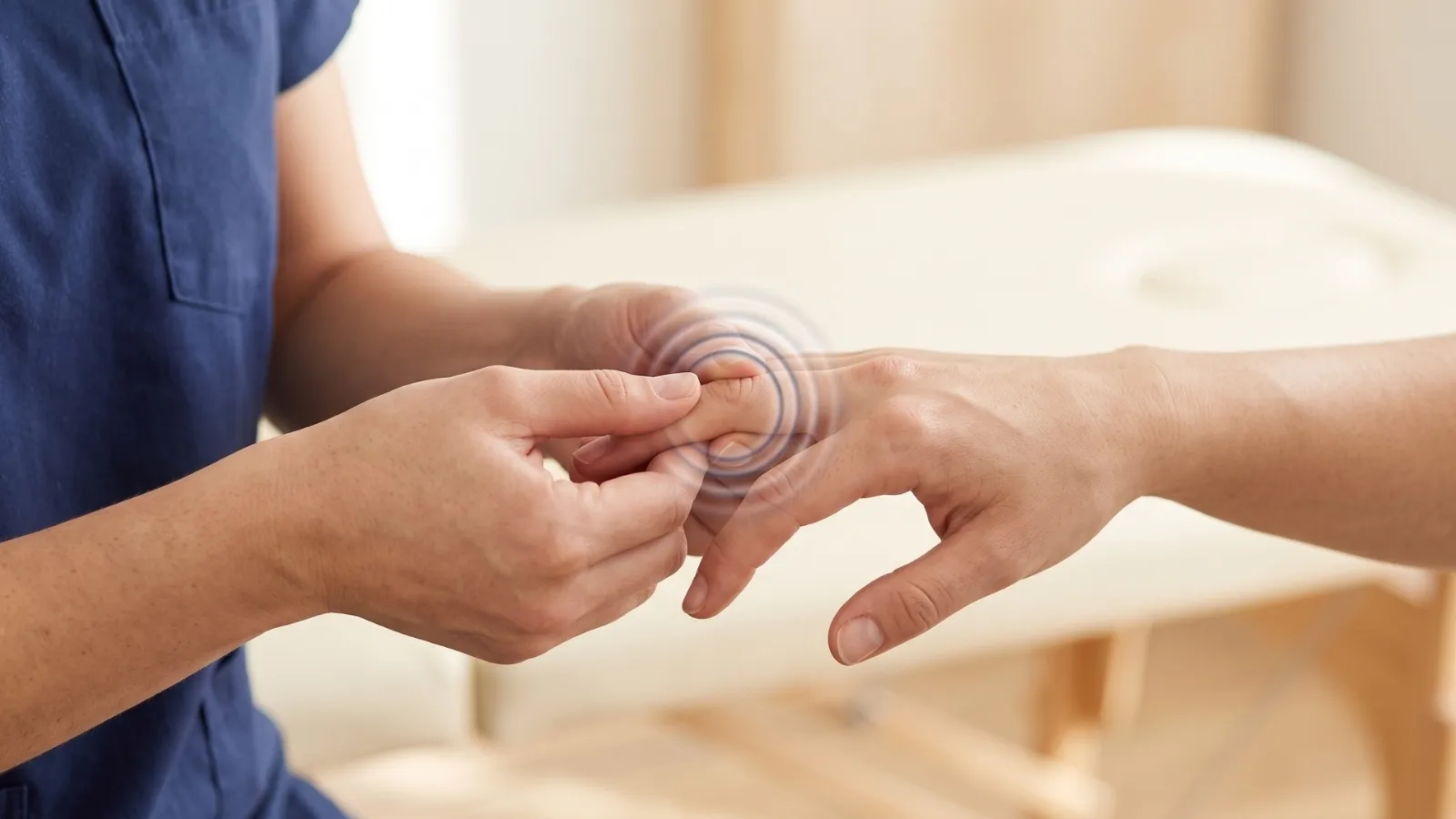
Is Joint Cracking Harmful?
Is joint cracking harmful, and does it cause arthritis? What the 'crack' sound really is, the evidence on knuckle cracking, and when to be careful.

Your First Physiotherapy Session
What happens in a first physiotherapy session? Your first visit is really an assessment — how long it takes, when treatment starts, and what to prepare.
This content is for informational purposes only. It is not intended as medical advice. Please consult your physician and physiotherapist for any health concerns.