Back Pain: Bed Rest or Movement?
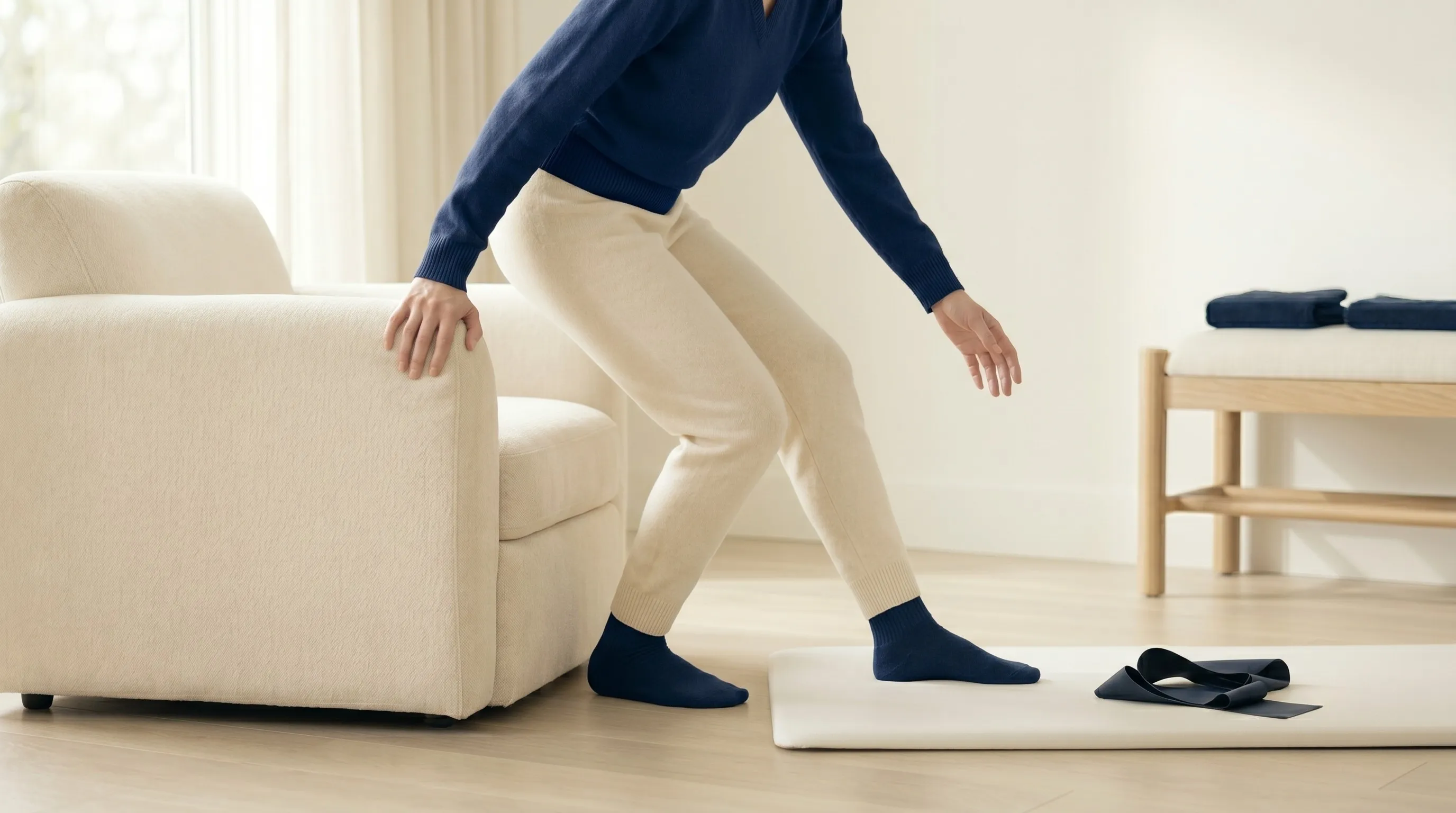
When your back seizes up, the first instinct is often the same: to lie down and rest, to “protect” the back. It sounds sensible — you don’t want to move a part that hurts. Yet in acute back pain, current evidence points the opposite way: lying down for a long time doesn’t speed recovery, and more often delays it. In this article we look at the balance between rest and movement in back pain, what the evidence says, why movement helps your back, and how much you need to move.
Why do we always say “lie down and rest”?
Bed rest was the standard advice for back pain for many years, and the idea that “an injured back should rest” is still very common. Pain naturally pushes us to protect the area and keep it still. This protective reflex is understandable in the short term; but the structure of the back, beyond a very brief period of protection, doesn’t benefit from inactivity. On the contrary, the system that nourishes and supports the back needs movement to work well. So our first instinct may not lead us to the right place.
What does the evidence say: movement or rest?
Research answers this quite clearly. In acute back pain, people advised to “stay active” experience slightly less pain, keep their function better, and return to work faster than those advised to “rest in bed”. Systematic reviews consistently show that bed rest is not an effective treatment for acute back pain and may delay recovery. Where pain radiating into the leg (sciatica) is present, the difference between the two approaches narrows; but even there, no advantage has been shown for prolonged bed rest. This is why current clinical guidelines do not recommend bed rest for acute back pain; the advice is to stay as active as possible.
How does movement help your back?
So what’s behind the advice to “stay active”? Movement helps your back in several ways. First, movement and light loading support the nourishment and circulation of the tissues in the lower back — these structures benefit from regular movement rather than staying still. Second, movement preserves the strength of the muscles around the back and the flexibility of the joints, so the back carries the day’s loads more comfortably. Third, and perhaps most importantly: your back is far more resilient than it seems. The spine is a strong structure designed to bend, twist and carry load. Moving within comfortable limits doesn’t “wear it out” or “damage” it; on the contrary, continuing to move preserves the back’s resilience. Knowing this reduces the fear that leads to avoiding movement — and that fear is often as limiting as the pain itself.
Why can prolonged bed rest be harmful?
Bed rest beyond a few days can add new problems rather than heal the back: joints stiffen, muscles weaken, general fitness drops, and confidence in movement fades. A subtle cycle sets in here. Pain gives rise to the fear that “if I move, I’ll get worse”; this fear leads to avoiding movement, and avoidance leads to weaker muscles and a more sensitive nervous system. In the end, the less a person moves, the more easily pain is triggered, which magnifies the fear. This vicious cycle is one of the most important reasons an acute pain lasts longer than it should. The good news: it’s possible to break the cycle early — and the way to do that is to keep moving in a controlled way.
So how much, and how, should you move?
The key phrase here is “staying active” — not pushing yourself. The aim isn’t to stop your ordinary daily activities, but to continue them within the limits pain allows and to increase movement gradually. This is not “complete rest” but “relative rest”: easing off a movement that feels heavy rather than stopping. In practice, for most people this means — taking short walks, not staying in one position (sitting or lying) for long, changing position often, and continuing light everyday tasks. Pain may accompany movement for a while; but moving with a familiar, tolerable level of pain is usually safe. Returning to work and ordinary activities reasonably early gives better outcomes than staying away for a long time. Most acute back pain eases noticeably within a few weeks; staying active during this time both supports recovery and reduces the chance of the pain becoming chronic. If you’d like to clarify which movements and loads suit your back, you can look at the page on how physiotherapy helps with low back pain. And if you’re curious about why pain doesn’t always mean damage, the article on this complements this view.
When should you be careful?
Most back pain improves noticeably within a few weeks. But if any of the following is present, an assessment is needed rather than managing with movement: progressive weakness or loss of sensation radiating into the leg; a change in bladder or bowel control; severe pain starting after a significant trauma; unexplained fever or weight loss; pain that doesn’t settle at all with rest and gets noticeably worse at night. Otherwise, if your pain doesn’t ease within a few weeks or keeps recurring, a physiotherapy assessment clarifies a movement and loading plan that suits you.
References
- Cochrane — Advice to rest in bed versus advice to stay active for acute low-back pain and sciatica.
- Waddell G. et al. (1997) — Systematic reviews of bed rest and advice to stay active for acute low back pain.
- Journal of Orthopaedic & Sports Physical Therapy (2018) — Bed rest for sciatica: a closer look at the evidence.
- Current clinical practice guidelines (acute non-specific low back pain).
Frequently Asked Questions
Should I rest in bed when I have back pain?
For acute low back pain, prolonged bed rest is not recommended; staying active supports recovery. A very short rest may ease things, but lying down for days can delay healing.
How much should I move — should I push through the pain?
The aim is not to push but to stay active. Continue daily activities within the limits pain allows and increase movement gradually. Moving with a familiar, tolerable level of pain is usually safe.
Should I stay away from work and sport until the pain is gone?
Usually no. Returning to ordinary activities as early as possible gives better outcomes than staying away for a long time. Adjusting the intensity to your situation is enough.
If I feel pain while moving, does it mean I'm making something worse?
Usually no. The back is a robust structure, and moving with a familiar, tolerable level of pain is often safe. If pain increases sharply or warning signs are present, an assessment is needed.
You can book an appointment to assess your lower back and discuss suitable treatment options.
Related Posts

Does a Back Brace Work? An Honest Look from a Physiotherapist
Does a back brace work? The evidence shows it isn't a lasting solution. Why active treatment and strengthening are essential, and where a brace really fits.

What Is Lumbar Spondylosis (Spine Osteoarthritis)? Is It as Serious as It Sounds?
Lumbar spondylosis (spine osteoarthritis) is very common with age and often not as serious as it sounds. Its link with pain, exercise and how to manage it.

My Back Seized Up — What Should I Do? First Steps for Acute Back Pain
If your back has seized up, don't panic: most acute back pain settles within a few weeks. First steps, rest versus movement, heat and cold, and physiotherapy.
This content is for informational purposes only. It is not intended as medical advice. Please consult your physician and physiotherapist for any health concerns.