Does Pain Always Mean Tissue Damage?
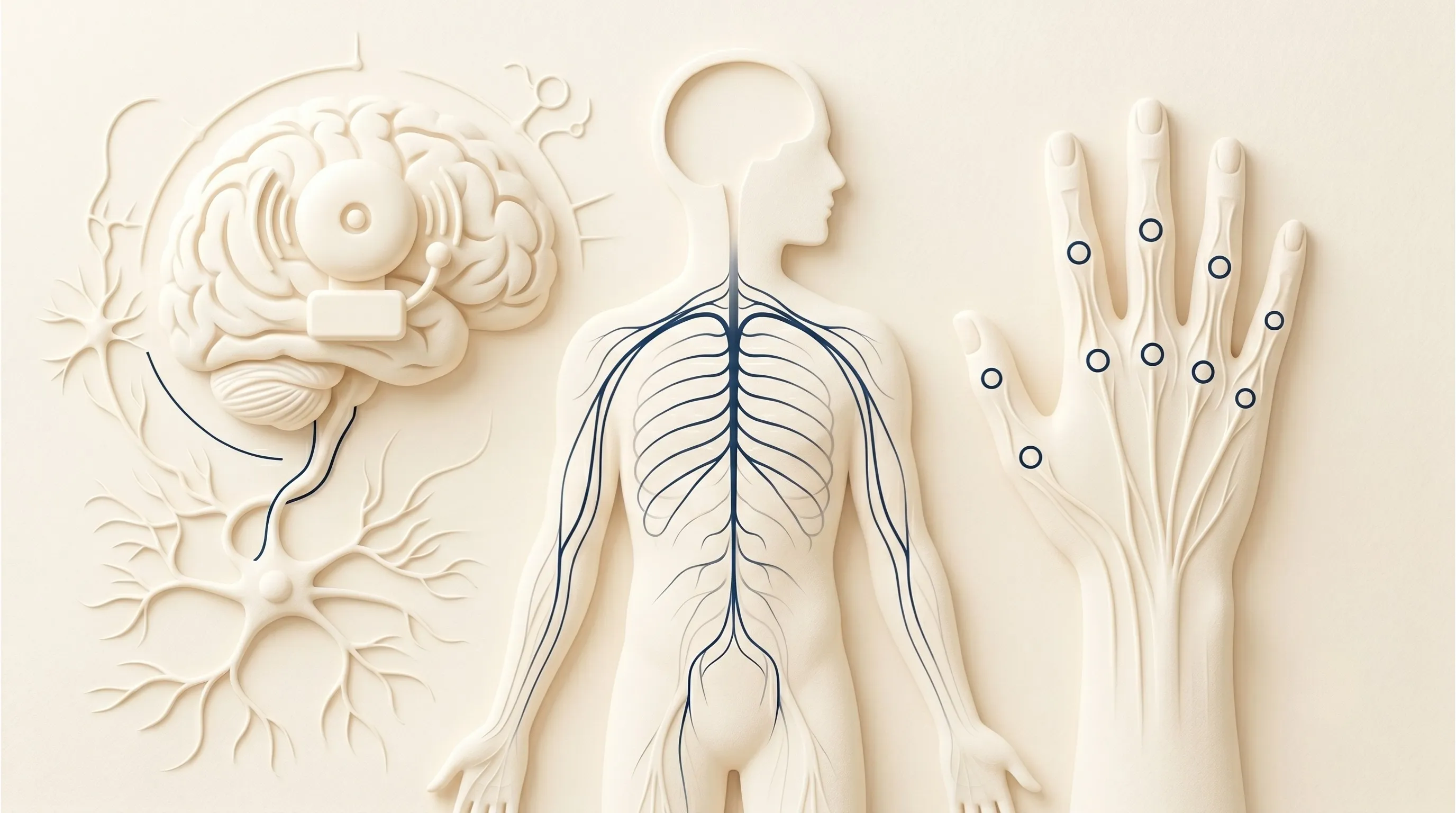
“If I’m in pain, something must be damaged” — a very common and very reasonable thought. Yet modern pain science shows this relationship is more complex than we tend to assume. Your pain is absolutely real; but it may not always be a direct measure of damage in the tissue. This article looks at what pain is actually for, why it doesn’t match damage one-to-one, and what understanding this changes for treatment.
What is pain actually for?
Pain is your body’s protection system — a signal the brain produces to say, “there may be something here you need to pay attention to.” So pain isn’t a gauge that directly measures damage in your tissues; it’s an output the brain produces by weighing up all the information available. In that sense it’s a smart alarm; but not every alarm means there is real, major damage.
Is pain a measure of damage?
Most of the time, the intensity of pain and the size of the damage in the tissue don’t match. Stepping on a Lego brick or a small paper cut can hurt intensely, yet there’s no serious damage. Conversely, some people don’t notice they’ve been hurt in the heat of a match or a moment of danger — there is damage, but the pain comes later. So “hurt” and “harm” aren’t always the same thing. Pain arises when signals from the tissue combine in the brain with many other factors — stress, sleep, past experiences and the current context.
What changes when pain persists?
When pain lasts for weeks or months, the picture changes. Over time the nervous system can become more sensitive, even to stimuli that are normally harmless. In this case, pain no longer reflects damage in the tissue but an alarm system that has become overprotective. There’s a very important point here: this does not mean your pain is “not real” or “in your head”. Your pain is entirely real; only its source may be different from what you assume. Understanding this reduces fear and opens the way to recovery.
So should we just ignore pain?
No. Saying “pain isn’t always damage” is not the same as saying “ignore pain”. New, severe or progressively worsening pain should be assessed — especially if it appears after a significant trauma, or is accompanied by symptoms such as progressive weakness or loss of sensation, unexplained fever or weight loss. Understanding pain isn’t ignoring it; it’s interpreting it more wisely.
What does understanding this change?
Pain is real, but it isn’t always a direct measure of tissue damage — more often, it’s a protective signal tuned by many factors. Understanding this reduces fear and makes an active, individual path to recovery easier. If you’re experiencing pain that makes you hesitant to move, my article on why movement beats rest for low back pain complements this view.
References
- Moseley GL (2007) — Reconceptualising pain according to modern pain science.
- IASP — Definition of pain (2020).
- Caneiro JP, O’Sullivan P et al., BJSM (2020) — There is more to pain than tissue damage: eight principles.
- Medina-Viedma et al. (2025) — Pain Neuroscience Education meta-analysis, chronic low back pain.
Frequently Asked Questions
If I'm in pain, is there always damage?
No. Pain is a protective signal; pain can occur without tissue damage, and damage can be present without pain being felt.
Does the intensity of pain show the extent of damage?
Often no. Severe pain does not always mean major damage; the relationship between the two is complex.
If I have chronic pain, is it "in my head"?
Absolutely not. Your pain is real. As pain persists the nervous system can become more sensitive; this does not mean you are imagining it.
How does understanding pain change treatment?
Understanding how pain works reduces fear and avoidance of movement, which in turn supports recovery.
You can book an appointment to assess your condition and discuss suitable treatment options.
Related Posts

How to Sleep with Back and Neck Pain? Mattress, Pillow and Position
How should you sleep with back and neck pain? An evidence-based, honest physiotherapist's guide to mattress, pillow and sleep position.
Is Joint Cracking Harmful?
Is joint cracking harmful, and does it cause arthritis? What the 'crack' sound really is, the evidence on knuckle cracking, and when to be careful.

Is Manual Therapy Suitable for Everyone? When Is It Not Applied?
Is manual therapy suitable for everyone? The contraindications, red flags and how the decision on suitability is made — through assessment.
This content is for informational purposes only. It is not intended as medical advice. Please consult your physician and physiotherapist for any health concerns.